
Research guides · Quality & Testing
How to Verify a Peptide COA
Verify a peptide certificate of analysis by matching the vial batch number to the report, checking the laboratory’s original verification record, and reading purity and identity results separately. A genuine report is only relevant to your material when its sample details match the supplied batch.
Cellis Research · 2 min read
How do you match a COA to your vial?
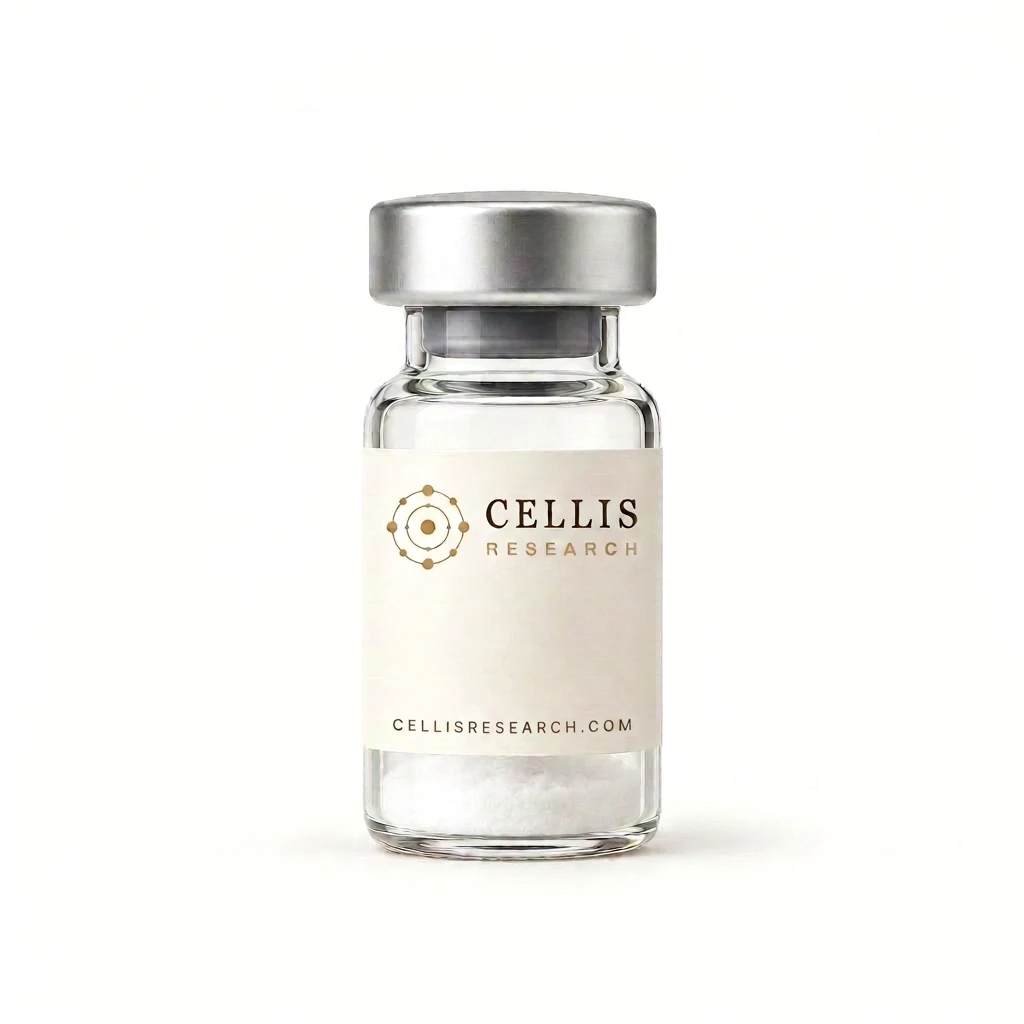
- Read the batch number on the vial and packaging. Record it exactly, including hyphens.
- Enter it in the batch lookup. Open the batch page and compare the product, batch number, test date and laboratory with the PDF.
- Check that the report identifies the same material and strength. A report for another batch or a single component does not verify a blend.
Screenshot placeholder: vial batch number beside its matching batch lookup result.
How do you verify the report with the laboratory?
- Open the laboratory’s verification link from the batch page. For a Janoshik report, use its verification key on the laboratory’s own website.
- Compare the original laboratory record with the supplied PDF: sample name, dates, key and findings should agree. A copied logo or key by itself is not proof.
- If a key fails or the details differ, ask the laboratory and supplier for clarification before relying on the certificate.
Screenshot placeholder: laboratory verification page showing the report key and matching sample details. No real key or result is shown here.
What should you check in the analytical results?
- Read the HPLC purity result and its stated method. A chromatographic area percentage is not automatically the percentage of peptide by mass.
- Read the identity finding separately. Mass spectrometry can support identity, but purity alone does not confirm sequence, vial content, sterility or suitability for an experiment.
- Save the report and laboratory verification reference with your research records.
Screenshot placeholder: annotated report with separate purity and identity sections.
Where can you find product and batch documentation?
Browse the research catalog and published batch COAs. Missing reports remain unavailable rather than being replaced with example certificates.
What else do researchers ask?
How do I verify a peptide COA?
Match the vial batch to the report, verify the original record with the named laboratory, and check purity and identity separately.
Where is the batch number on a peptide vial?
Look for the batch or lot identifier on the vial label or packaging. If it is missing or unclear, ask the supplier for the exact identifier.
How do I verify a Janoshik report?
Use the supplied report verification key and laboratory link, then compare the original record with the PDF and vial batch.
Does a high purity percentage confirm peptide identity?
No. Purity and identity are different findings. Review the identity analysis and its limitations separately.
What if my batch number has no COA?
Request the genuine batch-matched report from the supplier. Do not use a certificate for another batch as a substitute.
Where can you find research materials and COAs?
Which research materials are relevant?
For in-vitro laboratory research use only. Not for human consumption. Restricted to qualified researchers aged 21 or older.